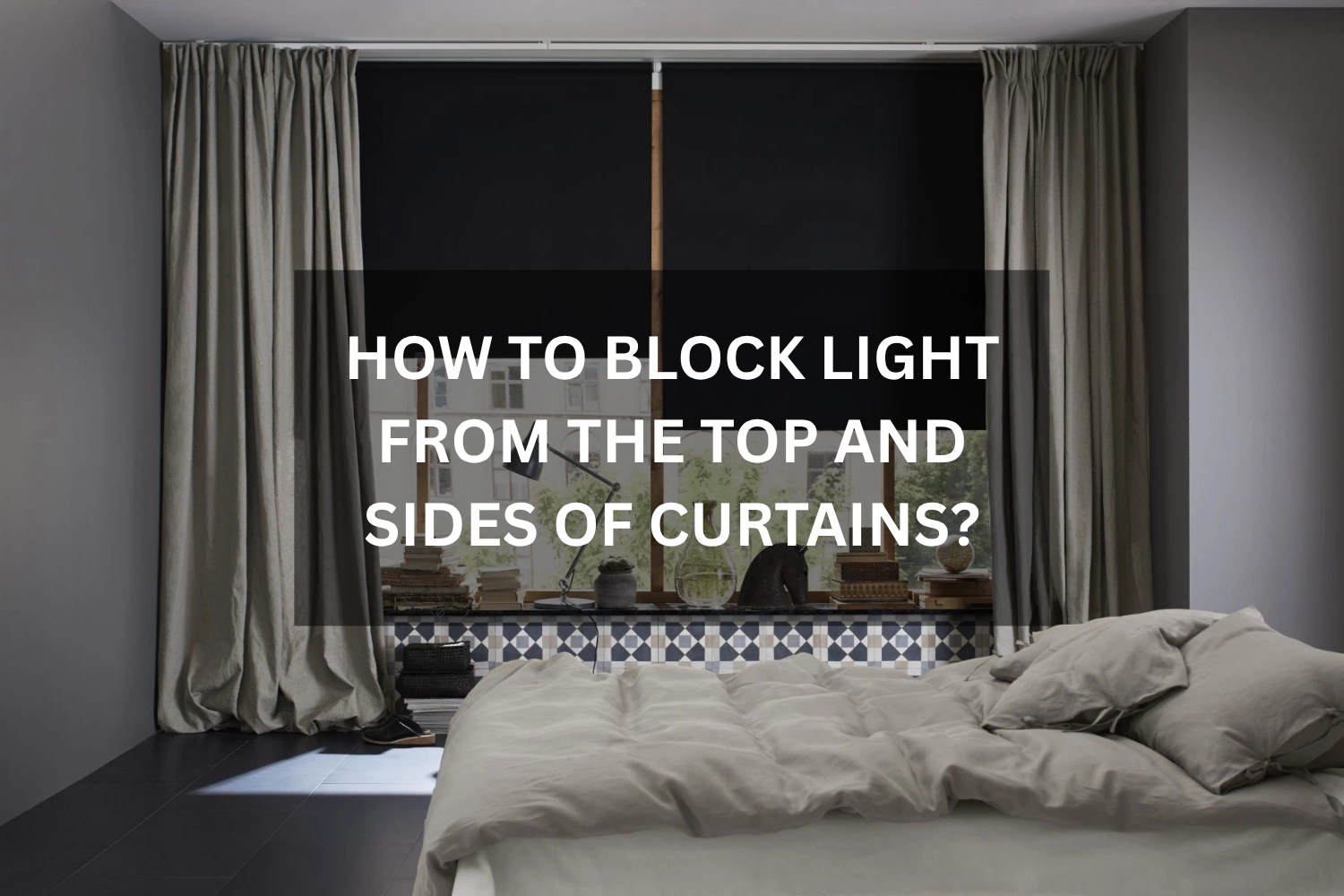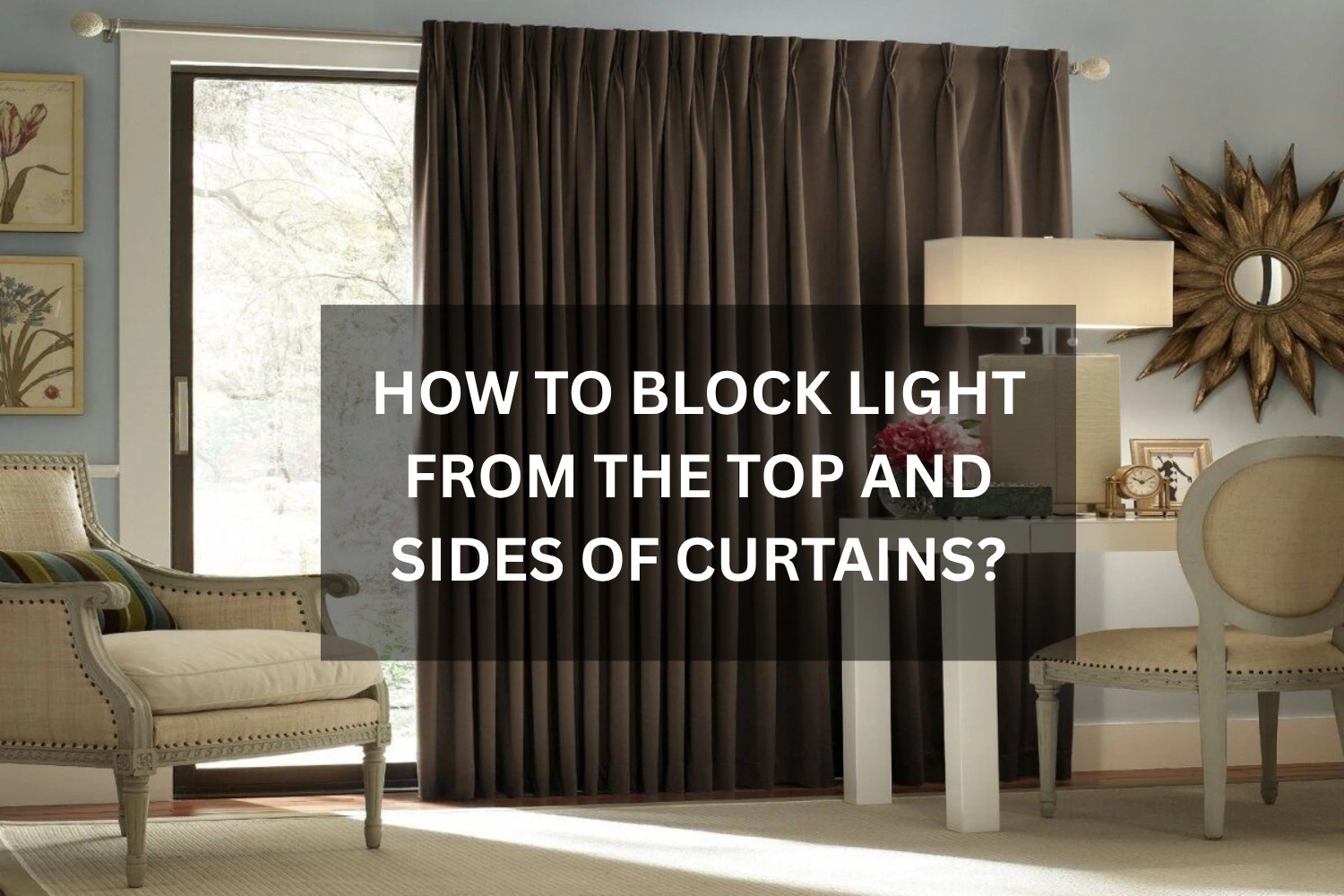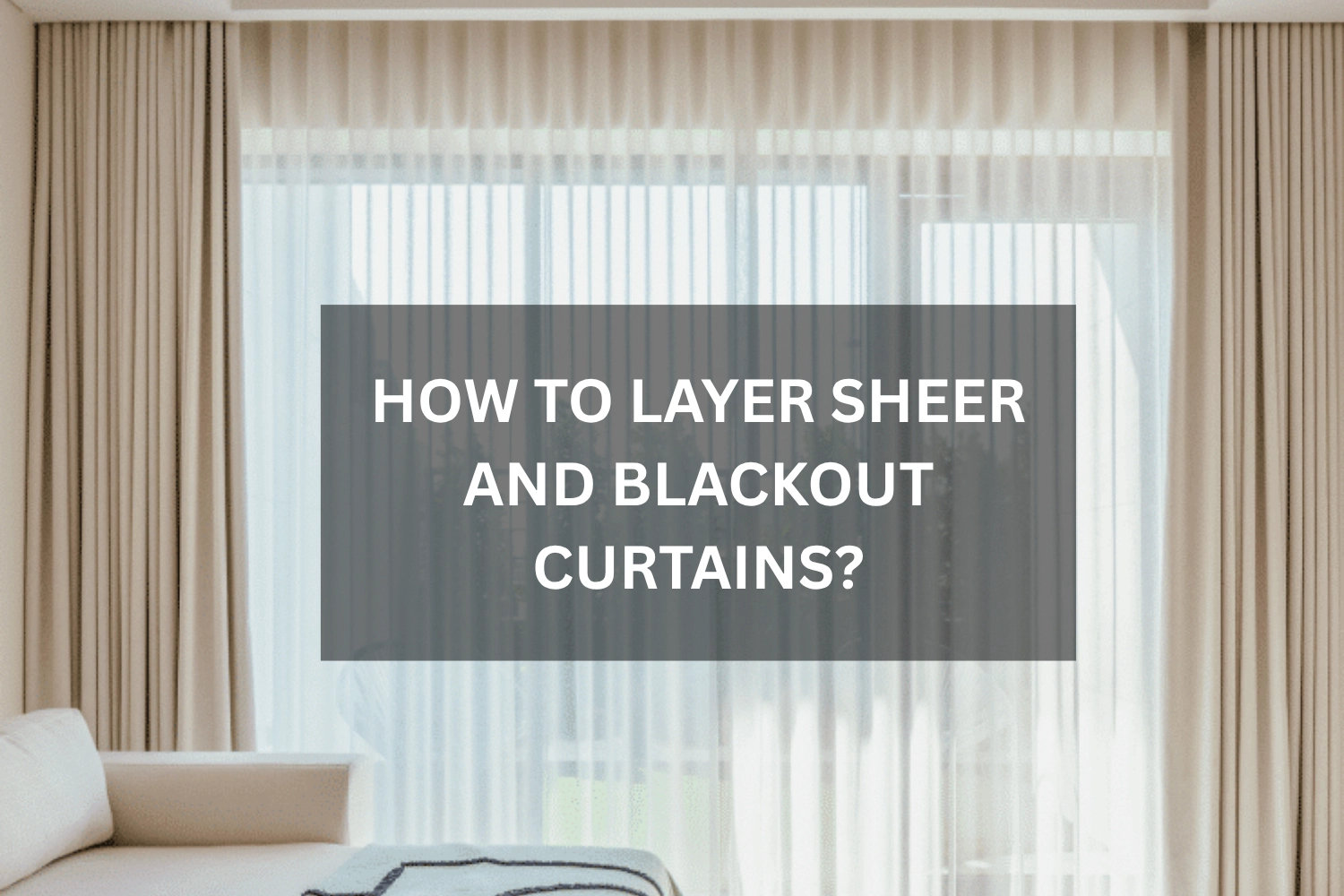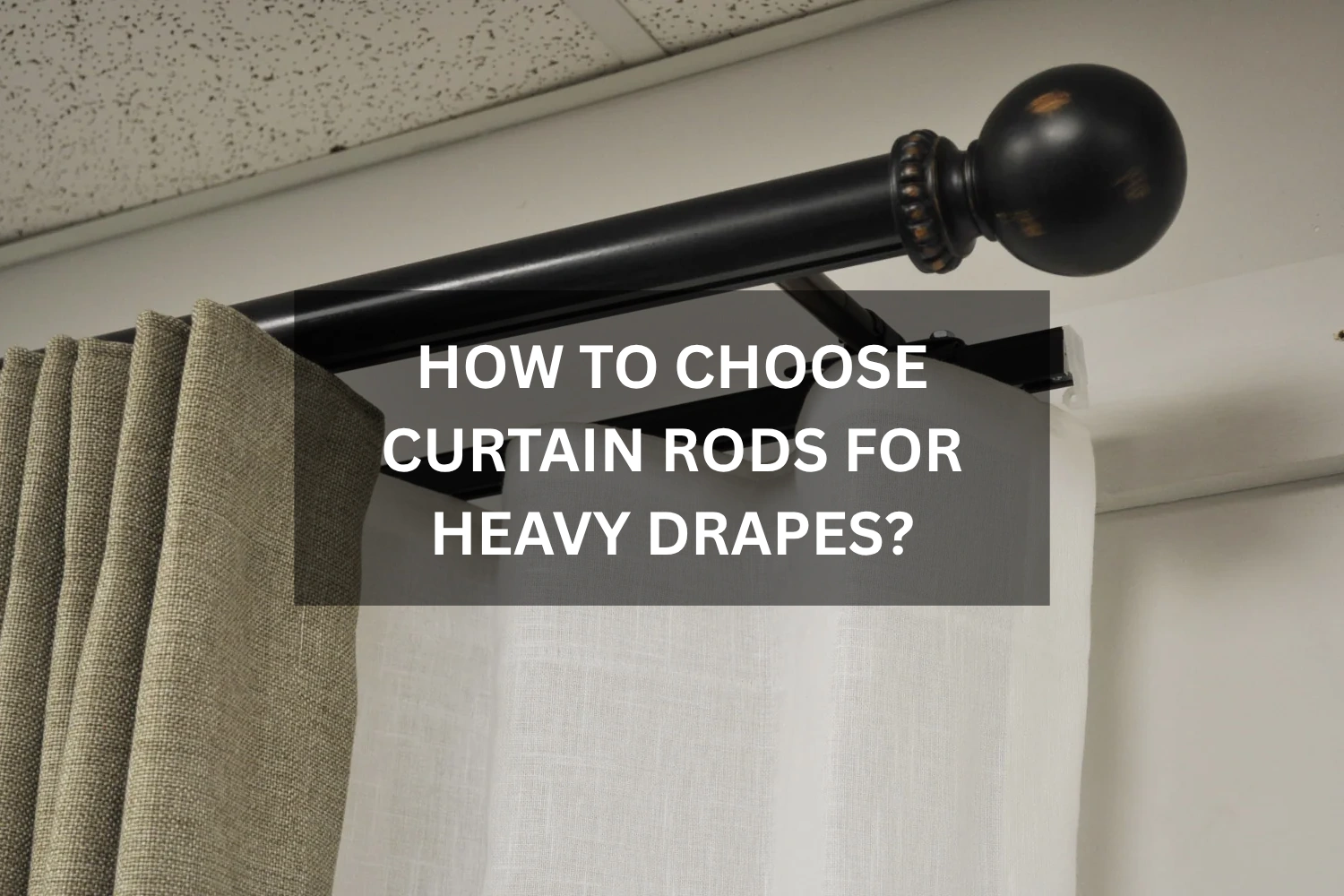
A heavy drapery system will change the look of your room. It can be a thick velvet drapery, lined blackout curtains, thermal drapes, and layered window treatments. But they are all going to place a considerable weight on your curtain hardware and this is where most installations go wrong. A beautiful drapery system has to still look properly finished because if the rod bends in the middle, the bracket might pull away from the wall. You need to have a sturdy curtain rod with the right color and finish. The rod, brackets, and wall fixings will all have to work together.
Factors To Consider When Choosing Curtain Rods For Heavy Drapes
Today, we will tell you how to choose the right curtain rod for heavy drapes. Consider all these factors below to make the right curtain rod choice.
1. Start With the Curtain Weight
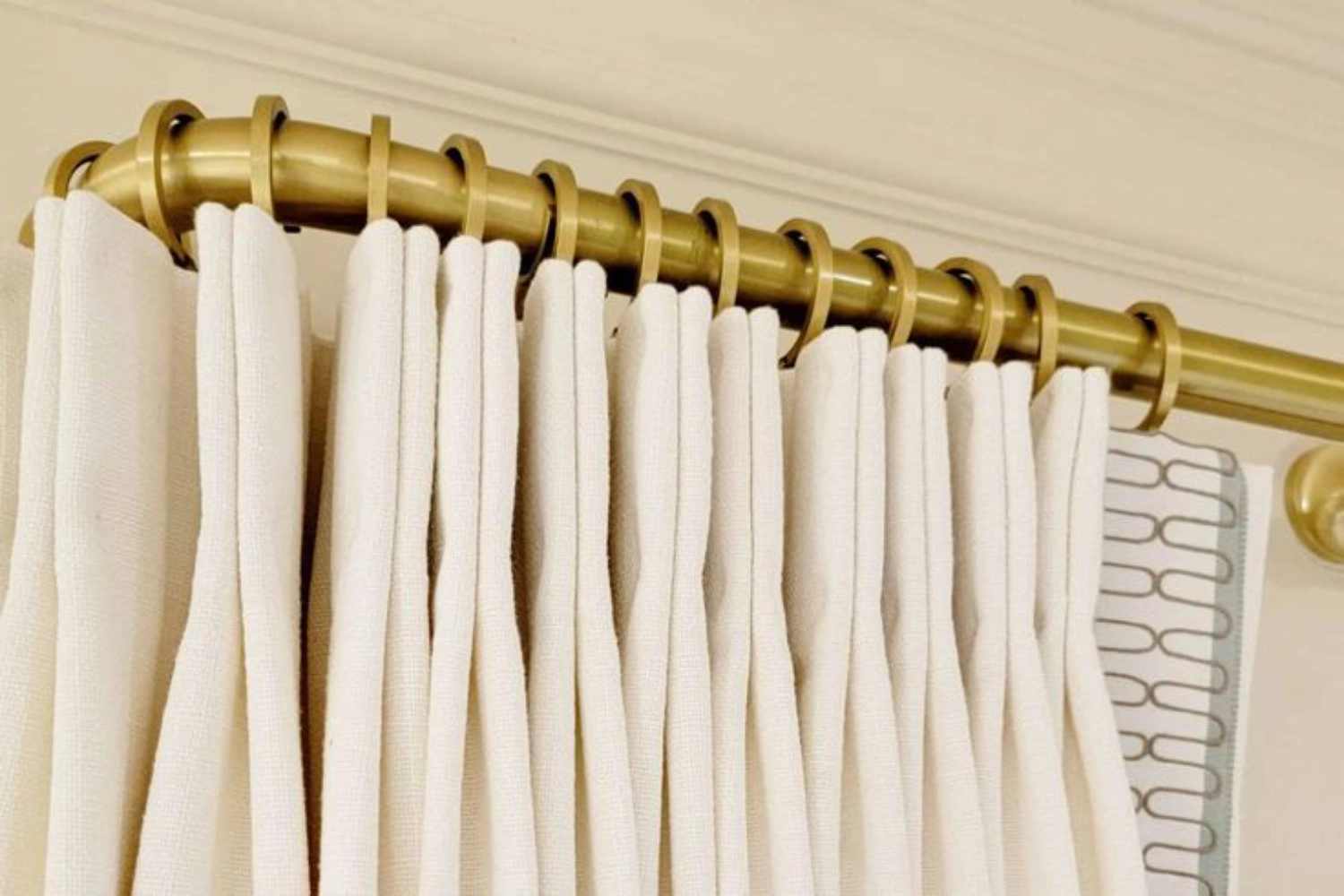
You must buy the rod only after asking how much curtains are actually going to weight. A heavy draper will weight considerably more compared to a lightweight fabric. The lining will also add to the overall load, as do those curtain rings, hooks, and other hardware. You must not choose a rod by its packaging saying heavy duty. Instead, check the stated weight capacity and compare the number with the curtain assembly. It is ideal to leave some capacity in reserve instead of operating the rod at its maximum weight bearing capacity.
2. Choose a Strong Rod Material
The material and the construct of the rod will have a major effect on how well it will handle heavy drapes. Steel is amongst the strongest choices for demanding fitting on large windows and heavyweight curtains. The second best choice is the reinforced aluminum which is also lightweight and works well when the rod has the right construction and diameter. Wood is a choice for traditional or classical interiors but they might require additional bracket supports.
3. Pay Attention to Rod Diameter
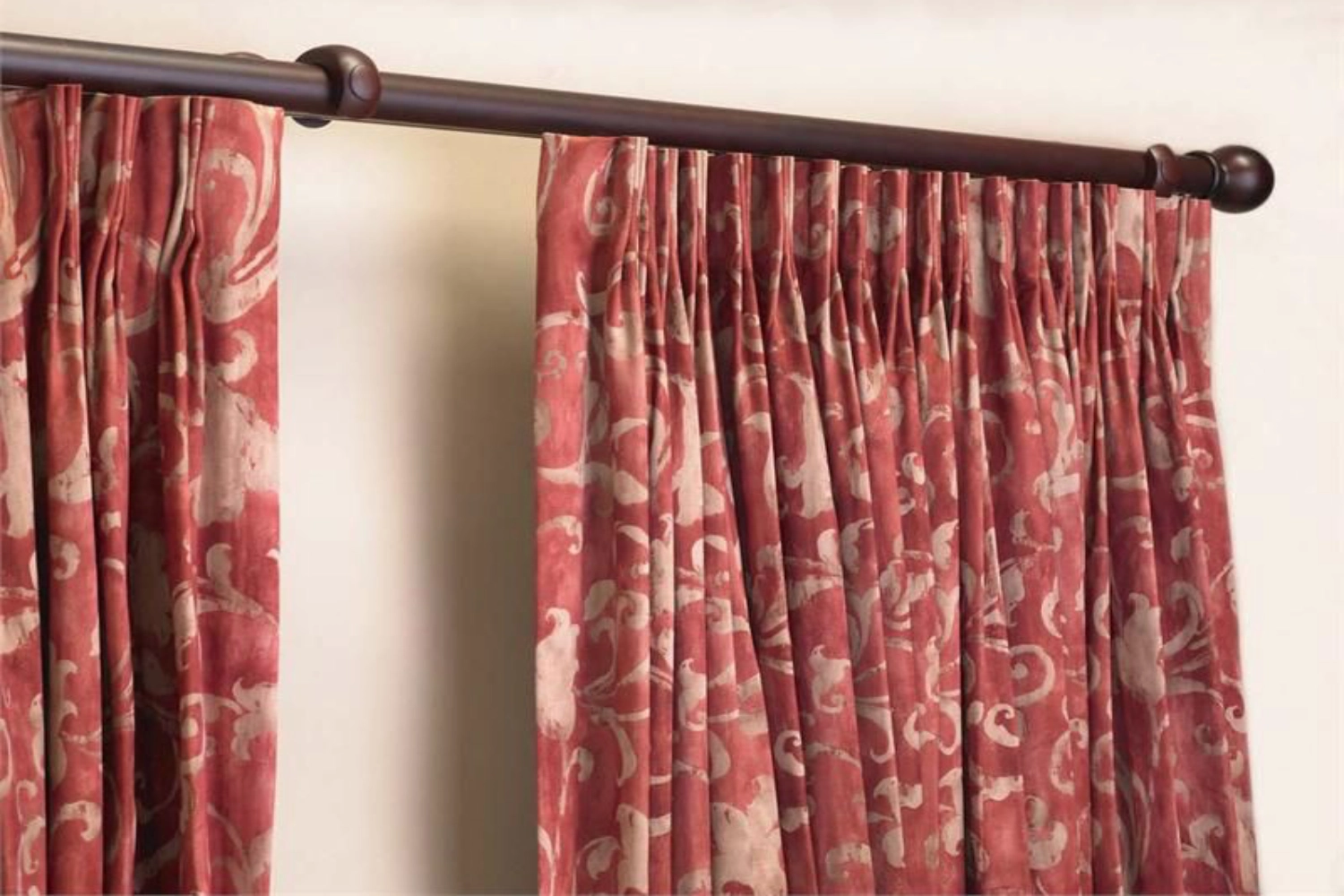
A thin decorative rod looks elegant in a showroom, but it will be a problem once you add heavy drapes on it. A rod diameter will increase which increases the resistance to bending. This is why heavy duty rods are a bit thicker compared to ones that are used for lightweight curtains. For a n ideal drapery, you need to have a heavy-duty rod instead of buying the thickest looking option that only looks good.
4. Don’t Ignore the Brackets
A strong curtain rod is of no use if the brackets used for it don’t support it. The bracket will carry the weight of the entire system into the wall, so they need to be ideal for both the rod and the curtain load. You must look for sturdy brackets that have strong mounting plates with right fixing points instead of decorative hardware. The number of brackets used will also matter. For instance, a short window will need only two end brackets, while a wider fitting requires one intermediate support. The exact spacing will depend on the rod material and the curtain weight.
5. Consider the Wall Before Choosing the Fixings
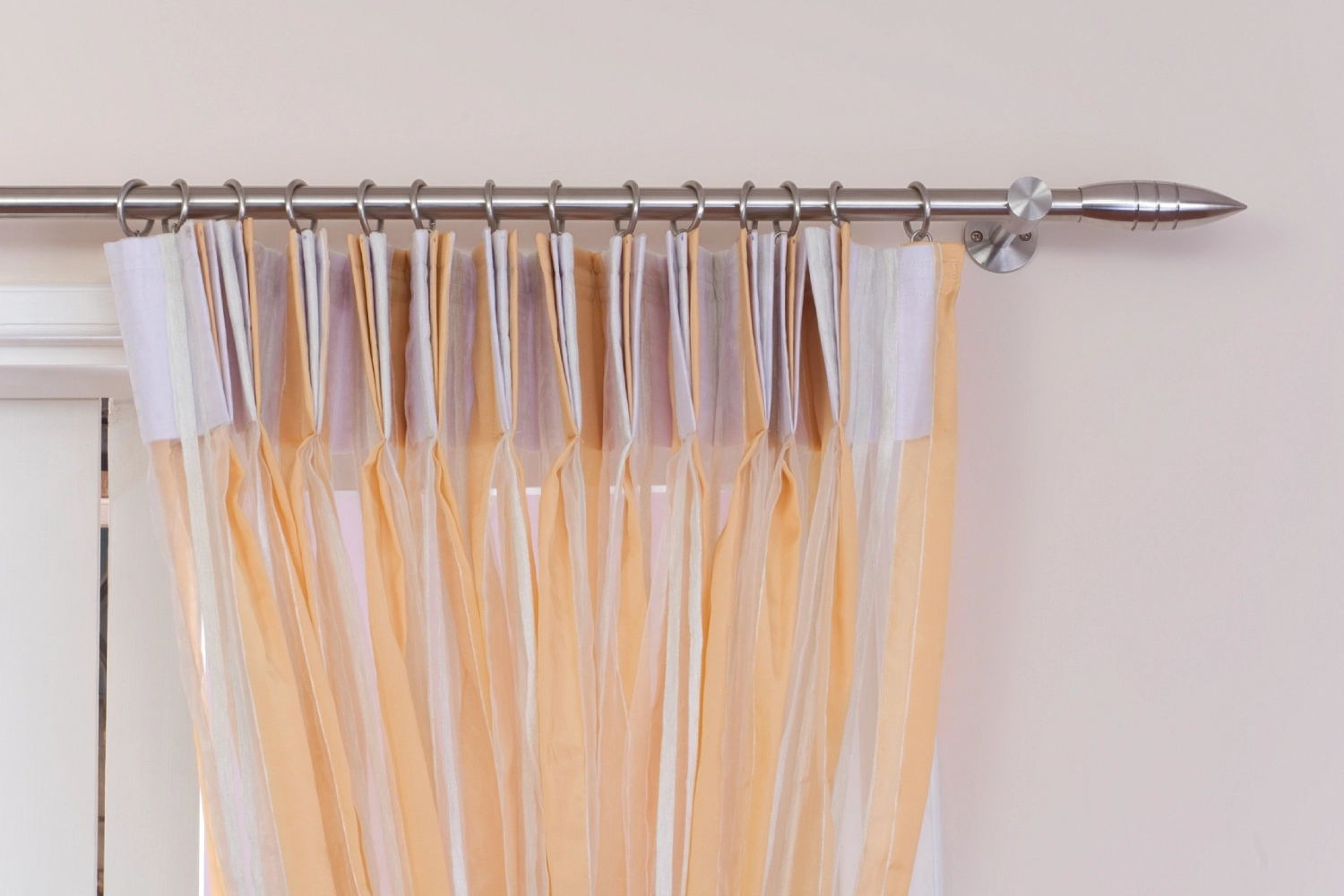
A heavy curtain will not only put load on the rod but on the wall where they are fixed. A bracket must be attached with a structural stud or a suitable backing to provide better support instead of using a hollow drywall anchor. The correct fixing will depend on the wall type, because a brick, concrete, or timber wall will need different approaches.
6. Measure the Window Properly
The rod must not be the same width as the window. You can extend the rod beyond your window to let the curtains stack nicely beside the glass when it opens. This will allow you to have more daylight and prevent the fabric from touching the window. Most installations are a few inches of extensions on either sides.
7. Decide Between a Rod and a Track
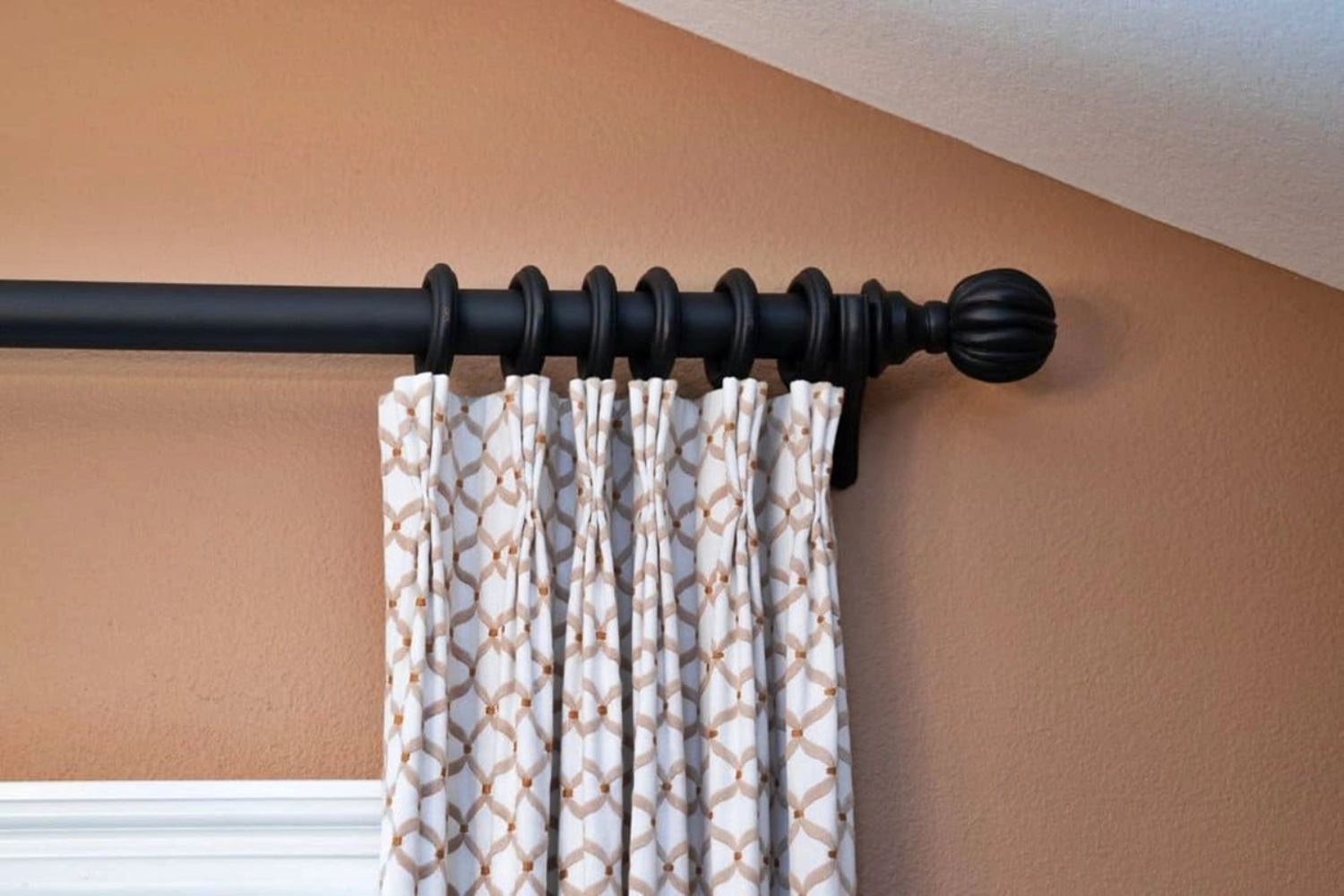
Not every heavy curtain will need a usual curtain rod. A heavy-duty track can be a better solution, especially for very wide windows, large sliding doors, or floor-to-ceiling fittings. The track will distribute that curtain load along multiple mounting points and is easier to operate with heavy fabrics They can also be fitted to the ceiling to have a clean appearance, and let curtains run along the floor to ceiling. A decorative rod will still remain the ideal choice when the hardware is intended for the decorative décor theme.
8. Don’t Forget Centre Supports
People often mistake treating a wide curtain like a short one. As the distance between the supports increases, the rod will carry more load across the longer spans without proper supports. This will add to risk of curtain rod bending or sagging. A center bracket will be a perfect solution in this case. You must discuss this before the installation instead of finding it out once everything is fixed in place.
Final Thoughts
The guide will take care of all the factors you need to consider on how to choose curtain rods for heavy drapes. The choice is all about matching weight, span, material, brackets, and wall construction. You must start by calculating the total weight of the curtain and then choose the strong rod and make use of enough bracket supports. If the window is wide or curtains are heavy, you must for a heavy-duty rod instead of a conventional decorative rod. The right hardware with even the heaviest drapes will hang & move without any difficulty.